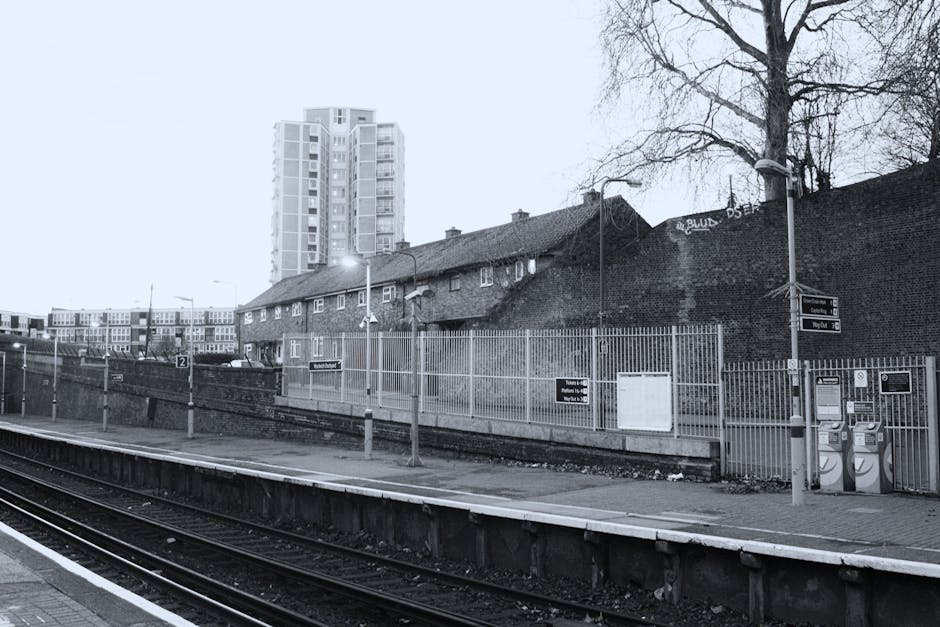
Abbey Wood station communal garden maintenance for flats
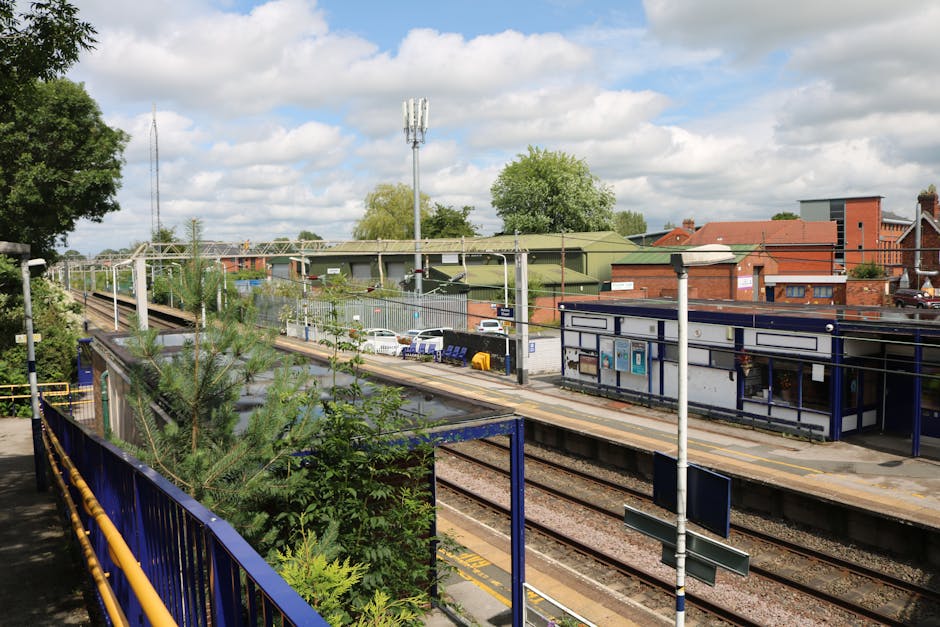
Shared gardens can be the quiet detail that makes a flat feel like home. A tidy lawn, clipped hedges, swept paths and healthy planting do more than look pleasant; they shape how residents feel when they come and go, how visitors judge the building, and how smoothly day-to-day life runs. If you are looking into Abbey Wood station communal garden maintenance for flats, you are probably dealing with a familiar mix of issues: patchy grass, stray litter, overgrown borders, awkward access, and the all-too-common problem of nobody being quite sure who is responsible for what.
Truth be told, communal garden care is rarely just about mowing and weeding. It involves planning, access, safety, resident expectations, seasonal routines, and a sensible balance between appearance and budget. In a busy part of London, near a station and with people moving in and out all day, those details matter even more. This guide breaks the topic down clearly so leaseholders, freeholders, managing agents and residents can make practical decisions with less stress and fewer surprises.
We will look at what communal garden maintenance actually includes, why it matters for flats near Abbey Wood station, how the service is usually organised, and what to watch out for before you agree a schedule. Along the way, you will also find a checklist, a comparison table, and some straight-talking advice that should save a few headaches. Because let's face it, a shared garden is lovely until it becomes everyone's problem.
Why Abbey Wood station communal garden maintenance for flats Matters
A communal garden is part of the building's first impression. People notice it before they notice the letterboxes, the lighting, or the stairwell paint that has seen better days. Near Abbey Wood station, where many flats serve commuters, families and tenants with different routines, the garden often does a lot of quiet work. It softens the frontage, gives residents a place to breathe, and can make a block feel cared for rather than neglected.
Regular maintenance also helps protect the practical side of the site. Overgrown shrubs can block sight lines, damp leaves can make paths slippery, and unmanaged grass quickly becomes uneven and shabby. In a shared setting, small issues spread fast. One missed cut is not dramatic. Three missed cuts, a pile of clippings, and a hedge creeping over the footpath? Now it looks like nobody is in charge.
There is also a social side. In flat developments, outdoor spaces are shared assets, so any decline is felt by everyone. Residents who like gardening may become frustrated if the space is ignored; residents who do not use the garden still care about cleanliness, pests, noise and access. Good maintenance helps avoid the awkward email chain that starts with "has anyone else noticed...?" and ends with somebody volunteering, reluctantly, to chase the managing agent.
If you are comparing wider property upkeep plans, communal garden care usually sits alongside regular garden maintenance, hedge work and seasonal clearance. When the whole outdoor area is considered together, decisions are easier and costs are often more predictable.
How Abbey Wood station communal garden maintenance for flats Works
In practice, communal garden maintenance is a planned service rather than an occasional tidy-up. A contractor or grounds team visits on an agreed schedule and carries out a set list of tasks based on the site's size, planting style, resident use and seasonal growth. Some blocks need weekly attention in spring and summer, then less frequent visits during winter. Others may only need fortnightly or monthly work. There is no one-size-fits-all answer, despite what some brochures imply.
A typical arrangement starts with a site review. That review should look at lawn areas, hedges, borders, trees, access routes, waste storage, bin-store surroundings, fences, decking, and any shared seating or planting features. It should also consider safety and practical access. For example, can machinery get in without disturbing parking? Is there a gate code? Are residents likely to be at home when noise levels are higher? These small things make a big difference.
From there, the work is usually split into repeat tasks and occasional tasks. Repeat work might include mowing, edging, pruning, weeding and litter picking. Occasional work could include leaf clearance, seasonal planting, shrub reduction, or more substantial tidy-ups after a period of neglect. If a site has become badly overgrown, a one-off garden clearance can reset the space before ongoing maintenance begins.
Most good services will also provide an agreed point of contact, a clear scope of work, and some form of reporting. That can be as simple as visit notes or photos after a major cut-back. It is not about bureaucracy for the sake of it. It is about avoiding the classic "we thought that was included" conversation later on.
Key Benefits and Practical Advantages
The obvious benefit is appearance, but the list goes further than that. A well-maintained communal garden supports the whole building in ways that are easy to overlook until something goes wrong.
- Better kerb appeal: Neat lawns, trimmed hedges and clean borders make flats look cared for.
- Safer shared spaces: Clear paths, manageable growth and fewer hidden obstacles reduce day-to-day risk.
- Less resident conflict: When maintenance is scheduled properly, there are fewer complaints about mess, weeds or "somebody should sort this out."
- Healthier planting: Regular attention helps shrubs, flowers and grass recover between seasons.
- More efficient budgeting: Planned visits are usually easier to manage than panic callouts after months of neglect.
- Improved use of the space: People are more likely to sit outside, walk through the garden or let children use it when it feels clean and cared for.
There is also a quieter benefit: confidence. Residents feel reassured when the outdoor area looks steady and maintained. That is not just cosmetic. It suggests the building is being looked after in the round, which can influence how people judge everything from maintenance response times to long-term management quality.
Where a block also has hard landscaping, planters, or timber features, garden care may be paired with landscaping support or occasional decking services to keep the whole shared area in better shape. Not always needed, but useful when the site has mixed surfaces and features.
Who This Is For and When It Makes Sense
This kind of service is relevant to anyone responsible for a shared outdoor area attached to flats. That includes freeholders, resident management companies, landlords, block managers, housing associations and right-to-manage groups. It also matters to residents who are trying to understand what they are paying for in service charges and why garden upkeep keeps appearing on the agenda.
It makes particular sense when the garden is visibly used by multiple households, or when the site has a frontage that affects the building's overall condition. You will usually want a planned maintenance approach if:
- the grass grows quickly and looks untidy within a few weeks
- hedges or shrubs encroach on pathways, windows or entrances
- leaves, litter or seed debris collect around shared areas
- residents complain about moss, mud or slippery surfaces
- there are seasonal spikes in growth that create extra work
- the site has been neglected and needs a reset before regular care begins
It is also sensible where different people have different tolerance levels. One resident might love a naturalistic planting scheme. Another wants the whole thing cut back every fortnight. A structured maintenance plan helps keep that balance without turning the garden into a committee meeting in disguise.
If you are still comparing services, the broader services overview is a useful place to understand how routine work, clearance, hedge care and more substantial upgrades fit together.
Step-by-Step Guidance
If you are arranging communal garden maintenance for a block of flats, it helps to follow a simple process. The work itself may look straightforward, but the planning usually decides whether the arrangement runs smoothly or becomes another admin headache.
- Walk the site properly. Look at lawns, hedges, beds, access points, boundary edges, lighting visibility and any problem areas.
- Decide what matters most. Is the priority presentation, safety, resident use, or recovery from neglect? Be honest here. You cannot optimise everything at once.
- Set the scope. List what will be done each visit and what only happens seasonally, such as pruning, leaf clearance or planting refreshes.
- Choose a realistic frequency. Fast-growing lawns near Abbey Wood may need more frequent cuts in spring and early summer than in winter.
- Agree access and communication. Confirm gate codes, parking arrangements, contact details and how residents will be informed before noisy work.
- Plan waste removal. Clippings, branches and debris should be cleared properly, not left in a corner "for later." Later often means tomorrow, then next week, then never.
- Review after the first few visits. A good plan is adjustable. If the grass is too long between cuts or the hedge is being clipped too hard, change the schedule.
For blocks with thick hedges, a linked hedge schedule can help avoid sudden overgrowth. In those cases, hedge trimming is often one of the most important recurring tasks because it shapes the whole look of the site. If the garden has a lawn-heavy layout, then lawn mowing will usually be the backbone of the routine.
Expert Tips for Better Results
The best communal garden plans are usually the ones that stay simple, consistent and realistic. Fancy is overrated. Reliable is what people remember.
Tip 1: Match the schedule to growth, not to guesswork. A soft, shady garden with mature planting behaves differently from a sunny, open one near a busy station. Growth patterns change across the year, so the service should change too.
Tip 2: Keep edge details in the plan. A lawn can be cut neatly and still look untidy if the edges are rough, the paths have weeds, or the beds spill over onto paving. Those finishing touches make the difference between "done" and "well maintained."
Tip 3: Separate maintenance from improvement. Maintenance keeps things stable. Improvement changes the layout or condition. If a garden is tired, overgrown or poorly designed, it may need a longer-term plan that includes landscape gardening or broader landscaping work, not just recurring visits.
Tip 4: Use before-and-after photos for larger jobs. Not every visit needs a mini photo album, obviously. But for major seasonal work or recoveries, a visual record stops memory from doing that funny thing where everyone remembers the garden differently.
Tip 5: Think about the time of day. Early-morning mowing may be fine in a quieter setting, but in a block with shift workers or young families it can be a nuisance. The same job, different timing, totally different experience.
Tip 6: Keep an eye on boundaries and trees. Low branches, unmanaged self-seeded growth and leaning trees can become shared headaches if ignored. If a site has overhanging branches or a tree that needs attention, a specialist tree lopping and removal service may be the safer route than a general tidy.
Common Mistakes to Avoid
Most problems with communal garden maintenance are not dramatic. They are small, repeated mistakes that slowly make the site look worse and cost more to sort out later.
- Waiting until the garden looks bad: By then, you are often paying for catch-up work instead of routine upkeep.
- Vague instructions: "Just tidy it up" is not a plan. It is a conversation starter.
- Skipping seasonal changes: The garden does not behave the same in March, July and November.
- Ignoring access issues: If the contractor cannot get to the rear area or store equipment safely, the service will be patchy.
- Underestimating waste: A lot of clippings and green waste can build up quickly after a wet, warm spell.
- Mixing maintenance with resident gardening preferences: One person's wildflower patch is another person's untidy border. Agree the standard first.
Another common mistake is not checking what happens after the first season. It is easy to sign off a plan in spring and then forget to review it when autumn leaves start dropping and the site changes character. A garden is not static. It never really is.
Tools, Resources and Recommendations
You do not need a shed full of specialist kit to understand or manage a communal garden properly, but it helps to know what a professional team is likely to use and why. For smaller shared spaces, typical tools may include mowers, strimmers, shears, hedge trimmers, leaf blowers, hand tools, pruning saws and waste bags or containers. For larger or more awkward sites, access-friendly equipment and good transport planning matter just as much as the tools themselves.
From a management point of view, the most useful resources are often the simplest:
- a written schedule of visits
- a clear task list for each season
- site notes about access, hazards and resident preferences
- photo records for larger works
- a named contact for issues or requests
If you are comparing providers, it is worth looking at practical factors rather than just a headline price. A slightly cheaper quote can be less good value if it excludes waste removal, hedge work or follow-up visits. You may also want to review pricing and quotes so you understand how estimates are usually structured and what details should be included.
For properties that generate a lot of seasonal cuttings, natural debris or renovation waste, a one-off garden clearance visit can be the reset button that makes the rest of the maintenance plan workable again. Sometimes that is the best investment, full stop.
Law, Compliance, Standards, or Best Practice
For flat developments, communal garden maintenance sits within wider property management duties and ordinary expectations around safety, access and responsible upkeep. The exact legal responsibilities depend on the ownership structure, the lease terms, and who controls the land or common parts. That means it is worth checking the building documents rather than assuming a generic rule will fit every block.
In practical terms, the maintenance approach should support safe access and reduce avoidable hazards. That usually means keeping paths clear, avoiding trip hazards, managing slippery debris, and making sure cutting or pruning work does not block entrances, bins or emergency routes. It also means using suitable methods for the site and avoiding careless work around boundaries, glazing or shared fixtures.
Good contractors will usually have their own safety controls, insurance awareness and working methods. If you are speaking with a provider, it is sensible to ask about health and safety policy and insurance and safety. That is not being fussy. It is just sensible due diligence for a shared residential site.
Environmental practice matters too. Green waste should be handled responsibly, and where possible, routine maintenance should avoid unnecessary waste. Some blocks prefer a lighter-touch approach in planted areas to support pollinators or seasonal colour, while still keeping paths and edges tidy. That balance can work well if everyone agrees it upfront. If sustainability is a priority, you may also find value in recycling and sustainability information that explains how waste and materials are handled.
Finally, if a resident has a concern or a service issue, it helps to know the route for raising it. For that side of the relationship, there is a complaints procedure and supporting policy pages that can clarify how issues are managed. Small thing, but it keeps everything a bit calmer when pressure rises.
Options, Methods, or Comparison Table
Not every communal garden needs the same level of attention. The right approach depends on size, usage and budget. Below is a practical comparison of common maintenance methods for flats.
| Approach | Best for | What it usually includes | Watch-outs |
|---|---|---|---|
| Basic routine maintenance | Small to medium shared gardens with manageable growth | Mowing, edging, light weeding, tidy borders, litter pick-up | May be too limited if hedges, trees or beds need frequent attention |
| Seasonal maintenance plan | Sites that change a lot through spring, summer and autumn | Routine visits plus leaf clearance, pruning and seasonal cut-back | Needs good scheduling so winter and peak growth periods are not ignored |
| Clearance then maintenance | Neglected or overgrown communal gardens | One-off clearance followed by regular upkeep | Can look expensive at first, but often prevents repeated catch-up jobs |
| Maintenance with improvement works | Sites with tired layout, poor drainage or awkward planting | Ongoing care plus redesign, new planting or hard landscaping updates | Needs more planning and a clear split between upkeep and enhancement |
For many blocks, the best answer is not the fanciest one. It is the one that can actually be kept up. A modest plan done consistently usually beats a grand plan that collapses after two months. Every time.
Case Study or Real-World Example
Picture a block of flats a short walk from Abbey Wood station. The communal garden sits at the rear and along one side of the building. It is not huge, but it sees a lot of foot traffic because residents use the side path to reach bins and parking. In spring, the grass starts growing quickly, the hedge softens into the walkway, and weeds appear around the paving. By early summer, the space still works, but it no longer feels cared for.
In that situation, a sensible plan would begin with a one-off tidy-up. The garden would be cut back, edging restored, borders cleared and the hedge reduced to a manageable line. Any heavy waste would be removed rather than left piled behind the shed or beside the wall. After that reset, the site could move onto a repeating schedule of mowing, litter picking, hedge checks and seasonal visits.
The interesting part is what happens after. Residents usually stop mentioning the garden in complaints. The path feels wider, the building looks more orderly, and the managing agent has fewer awkward reminders to chase. Nothing dramatic, just a steady improvement in how the place feels. On a damp Monday morning, that matters more than people admit.
If the same site also had worn paving, muddy edges or awkwardly placed shrubs, a longer-term review might lead into broader landscaping work, perhaps even a small redesign to improve access and reduce maintenance pressure. That is where good garden care becomes a building management asset rather than a chore.
Practical Checklist
Use this checklist before you agree or review a communal garden maintenance plan for flats.
- Have you walked the entire shared garden, not just the obvious frontage?
- Is it clear which areas are included in the maintenance scope?
- Do you know how often the garden will be visited during peak growth months?
- Are mowing, hedge trimming, weeding and waste removal all included where needed?
- Has access been arranged for gates, locked areas and equipment storage?
- Are safety issues such as slippery paths, low branches and obstructions being monitored?
- Do residents know who to contact with concerns or access issues?
- Is there a process for seasonal review after spring, summer and autumn changes?
- Have you checked whether any improvement work is needed before routine maintenance starts?
- Does the plan reflect the actual use of the space, not just the ideal version of it?
Quick takeaway: if the garden is tidy, safe and predictable, most residents will barely think about it. And that is usually a good sign.
Conclusion
Abbey Wood station communal garden maintenance for flats is about more than keeping grass short. It is about making shared outdoor space look cared for, feel safer to use and stay manageable over the long term. For resident groups, landlords and managing agents, the real value lies in consistency: clear scope, sensible timing, tidy finishes and a maintenance plan that matches the site rather than a generic template.
When the work is organised properly, everybody benefits. The building looks better, the garden holds up through the seasons, and small issues are dealt with before they turn into bigger, more expensive ones. That is the kind of quiet win that makes flat living feel easier. Not flashy. Just decent. And honestly, that goes a long way.
If you are reviewing a current setup or planning the first proper schedule for a shared garden, it is worth taking the time to get the basics right. A few good decisions now can save a lot of nuisance later, and the space will thank you in its own way.
Get a free quote today and see how much you can save.
Frequently Asked Questions
What does communal garden maintenance for flats usually include?
It usually includes mowing, edging, weeding, hedge trimming, leaf clearance, litter picking and general tidying of shared outdoor areas. Some sites also need occasional pruning, planting refreshes or one-off clearance work if growth has got away from people a bit.
How often should a communal garden near Abbey Wood station be maintained?
That depends on the size of the garden, the planting style and how quickly things grow. In many blocks, weekly or fortnightly visits during spring and summer make sense, with a lighter schedule in colder months. The key is matching the schedule to actual growth, not guesswork.
Who is normally responsible for communal garden upkeep in flats?
Responsibility usually depends on the lease, ownership structure and management arrangements. It may sit with a landlord, freeholder, managing agent, residents' group or housing provider. If there is any doubt, the building documents should be checked carefully.
Why does a shared garden matter so much for flats?
Because it affects first impressions, resident satisfaction, safety and the overall feel of the building. A neglected garden can make the whole property seem tired, even if the interiors are in decent shape. Shared outdoor spaces quietly say a lot.
What if the garden is badly overgrown already?
In that case, a one-off clearance is often the best starting point before routine maintenance begins. Once the space has been reset, ongoing visits are much easier and usually more cost-effective than trying to maintain an overgrown site from scratch.
Can communal garden maintenance include hedges and trees?
Yes, if the scope includes them. Hedges are commonly part of regular upkeep, and trees may need occasional specialist attention if they are becoming unsafe, overgrown or obstructive. It is worth separating routine hedge work from more serious tree work.
How do I know whether we need maintenance or landscaping?
If the garden mostly needs regular care, maintenance is the right fit. If the layout is awkward, the planting is tired, drainage is poor or the space needs redesigning, then landscaping or landscape gardening may be more appropriate alongside routine upkeep.
Are there safety issues to think about in communal gardens?
Yes. Slippery paths, hidden debris, low branches, poor visibility near entrances and overgrown edges can all create problems. A sensible maintenance plan should reduce those risks rather than simply making the garden look neat from a distance.
What should be included in a quote for communal garden maintenance?
A clear quote should explain the tasks included, visit frequency, waste removal, seasonal work, access assumptions and any extras that may apply. If those details are vague, the quote is not very useful, no matter how neat it looks on paper.
How can residents avoid disputes about the garden?
By agreeing the maintenance standard early, sharing the schedule, and making sure expectations are realistic. People get far less frustrated when they understand what is included and what is not. Clarity saves a lot of noise later.
Is sustainability important in communal garden care?
It can be, especially in larger shared spaces. Responsible green waste handling, sensible pruning, efficient scheduling and avoiding unnecessary waste all help. It does not need to be complicated; it just needs to be considered.
What is the next sensible step if we want help with the garden?
Start with a site review and a clear outline of the areas you want maintained. From there, you can compare options, decide on frequency and ask for a plan that fits the building. A good first conversation usually makes the rest much easier.