Garden Maintenance in Abbey Wood

Garden maintenance in Abbey Wood should keep outdoor spaces neat, healthy and usable without turning the work into a recurring chore for the customer. Our service covers routine care for lawns, borders, hedges, shrubs and general garden tidy-up tasks, with practical attention paid to how each area is actually used. Some gardens need regular light upkeep; others need a more measured reset followed by steady maintenance so the space remains manageable.
The work can include grass cutting, edging, hedge trimming, pruning, weed control and leaf clearance, together with general presentation work that helps the garden look orderly through the seasons. We also support larger maintenance plans where different parts of the garden need different frequencies of attention. If you are comparing options, the best place to start is often a simple review of what needs doing now, what can wait, and what should be kept on a schedule.
For a clear next step, use the service details on this site to decide which parts of the garden need attention first, then request a quotation once you are ready to move ahead.
Routine garden care for tidy, workable outdoor spaces
Routine garden care is usually the core of a maintenance plan. In many gardens the most noticeable improvement comes from staying ahead of fast-growing grass, tangled edges and weeds that spread into paths, beds and borders. Our maintenance work is suited to customers who want a sensible, recurring service rather than a one-off appearance-only visit. We can help keep the garden presentable between bigger seasonal jobs, which makes the overall space easier to enjoy and easier to manage.
If a garden has grown unevenly, routine maintenance can be built around the most urgent tasks first. That might mean bringing the lawn back to a proper cut, reducing overgrowth on hedges, clearing leaves from hard surfaces and restoring definition to beds and pathways. Where useful, we can combine several tasks in one visit so the garden looks balanced rather than treated in isolated sections.
What our maintenance work can include
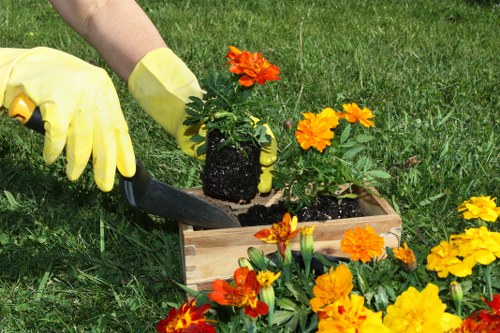
Different gardens need different levels of care, so the work is best planned around the actual layout and condition of the space. In straightforward terms, we help with the jobs that keep the garden under control and looking cared for, including regular mowing, trimming, border tidy-ups and selective pruning. Weed control and removal of loose green waste can also be part of the visit where needed, especially when growth has started to spill across surfaces or into planting areas.
Useful maintenance tasks may include:
- Lawn cutting and edge definition
- Hedge trimming and shrub shaping
- Clearing leaves, twigs and surface debris
- Removing weeds from borders, paths and drive areas
- General garden tidy-up and disposal of cuttings
These tasks are often most effective when planned together rather than individually, because one part of the garden can affect the look of another. A trimmed hedge may reveal an untidy border; a cut lawn may still look unfinished if edging is left rough. Our approach is to keep the work practical and consistent so the whole garden feels looked after.
Lawn mowing, edging and regular lawn care
A well-kept lawn often sets the tone for the rest of the garden, so mowing and edging are usually among the most important maintenance tasks. Grass that is cut at the right height is easier to keep tidy, and clear edges can make even a modest garden feel much more orderly. Our lawn maintenance work is designed to avoid the patchy look that can happen when mowing is done too infrequently or without attention to borders and corners.
Where lawns are part of a wider maintenance plan, we can combine mowing with light tidy-up work around the surrounding area. That may involve removing clippings, clearing the edges of paths and checking whether nearby growth is beginning to crowd the grass. If the lawn is uneven or under pressure from shade, foot traffic or seasonal growth, the focus is usually on steady improvement rather than forcing an unrealistic finish.
Hedge trimming, shaping and boundary control

Hedges often need more than a quick cut-back. Good hedge trimming keeps the shape balanced, prevents the planting from leaning into paths or driveways and helps maintain light and access where it matters. Our service covers routine hedge trimming and sensible reduction work for hedges that have grown beyond the line you want to keep. The aim is to keep boundaries tidy while respecting the natural habit of the plant.
In some gardens hedges are part of privacy, screening or boundary definition, so the right approach depends on their position and the level of growth. A formal hedge may need crisp lines and regular attention, while a softer boundary planting may only need light shaping. We can discuss whether the work should prioritise appearance, access, clearance or a combination of those factors. Consistent trimming also makes later maintenance easier because growth stays more even and manageable.
Border care, weeding and seasonal tidying
Borders can lose their definition quickly when weeds, fallen leaves and stray growth are left to build up. Garden maintenance in this area often benefits from careful attention to borders because they frame the rest of the garden and affect how finished the whole space appears. We can help clear and tidy the areas around shrubs, plants and pathways so they look intentional rather than overrun.
Seasonal tidying is useful when the garden has collected debris after windy weather or a period of heavy growth. That may involve removing dead material, lifting litter from beds and checking that planting areas are not being choked by vigorous weeds. If there are multiple beds or mixed planting zones, the work can be adapted so each area receives the right level of detail. In practical terms, the best maintenance plans usually protect healthy planting while removing the unwanted growth that competes with it.
Tree, shrub and overgrowth management

Some maintenance jobs are less about polish and more about restoring control. Shrubs can spread into walkways, branches can hang too low and dense growth can make a garden feel smaller than it is. Our maintenance support can include light tree and shrub management where this is appropriate to the garden, helping to keep access open and surrounding plants from becoming crowded. The emphasis stays on suitable care rather than unnecessary cutting.
Where growth has become heavier, we can also help with more decisive clearance of problem areas so the garden becomes easier to maintain afterwards. That may be especially useful when one section is shading another, when a shrub has become leggy or when a walkway has narrowed over time. A good maintenance approach considers how each plant affects the wider space, not only how it looks from one angle.
Planning maintenance visits and preparing a quotation
When you ask for a quotation, it helps to be clear about the parts of the garden that matter most. A short note about the size of the area, the main tasks you want done and any sections that are difficult to access can make it easier to match the work to your needs. If the garden has become very overgrown, mention that too, because the starting point can affect how the maintenance is planned.
It is also useful to separate routine care from one-off remedial work. For example, a garden may need an initial tidy before it can move onto a regular mowing and trimming schedule. If you already know what the priority areas are, you can ask for those to be considered first. For customers who want a straightforward next step, the simplest approach is to review the service pages and then send an enquiry when you are ready.
How maintenance choices affect the finish
Different choices create different results, and that is why a maintenance plan should suit the garden rather than follow a fixed template. A light weekly or fortnightly visit keeps growth controlled in a different way from a less frequent, more involved tidy-up. Some customers want the garden to look sharp at all times, while others mainly want it to stay manageable and free from obvious build-up. Both approaches are valid, but they lead to different levels of detail.
If you are deciding what to include, think about the practical outcome you want. A lawn-focused plan may be enough for a simple outdoor space, while a fuller service may be better where beds, hedges and paths all need attention. Our work can be shaped around that balance so you are not paying for tasks that do not matter to the site. Clear priorities make the quotation process easier and help the work stay focused on what will make the most difference.
About Abbey Wood

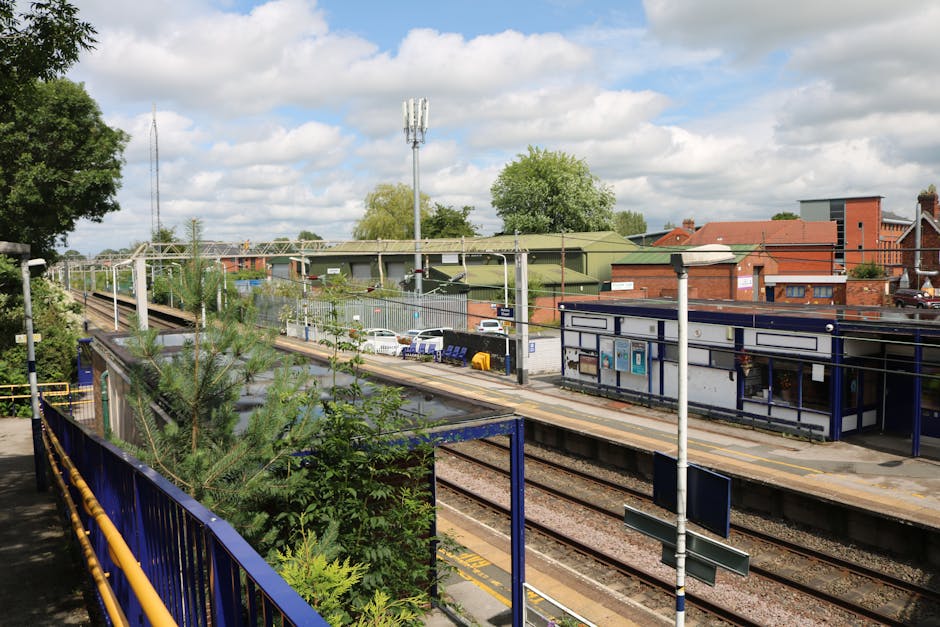
Abbey Wood is an area in south-east London associated with the historic ancient woodland of the same name, and it sits close to the boundary between the Royal Borough of Greenwich and the London Borough of Bexley. The name is strongly connected with Lesnes Abbey Woods, a large woodland and parkland landscape that preserves the setting of the former Augustinian abbey founded in the 12th century. The abbey itself was dissolved in the 16th century, but the surrounding woodland remains one of the best-known features of the locality and gives the district an unusually green character within the wider city. A notable landmark nearby is the station that now serves the Elizabeth line, which has helped make the area more widely recognised while linking it into east and central London. The local landscape includes a mix of residential streets, open green spaces and routes leading towards the Thames-side area to the north-east. Abbey Wood therefore combines a long historical association with woodland and monastic remains with a modern suburban identity shaped by transport links, housing growth and access to larger green areas such as Lesnes Abbey Woods and Southmere-related open spaces in the wider Thamesmead vicinity.
Complete garden upkeep for changing seasons
Seasonal change affects how a garden should be maintained, because growth, debris and plant condition do not stay constant throughout the year. Spring usually brings faster growth and a need for sharper control of lawns and hedges, while summer can demand regular cutting and trimming to keep spaces from becoming unruly. In autumn, leaf clearance and border tidying often become more important, and winter work may focus on keeping things tidy without overworking delicate planting. A good maintenance plan respects those differences rather than treating every month in the same way.
Where a garden includes both open lawn and planted areas, the maintenance work often needs to move between precision and clearance. Some parts benefit from a neat finish, while others simply need to be freed from overcrowding, dead material or weed pressure. We can support that kind of mixed garden by keeping the tasks balanced and practical. If you want the space to stay presentable without turning every visit into a major project, regular upkeep is usually the most effective route.
To talk through the work and request a quotation, use the relevant service page and send your details when you are ready.